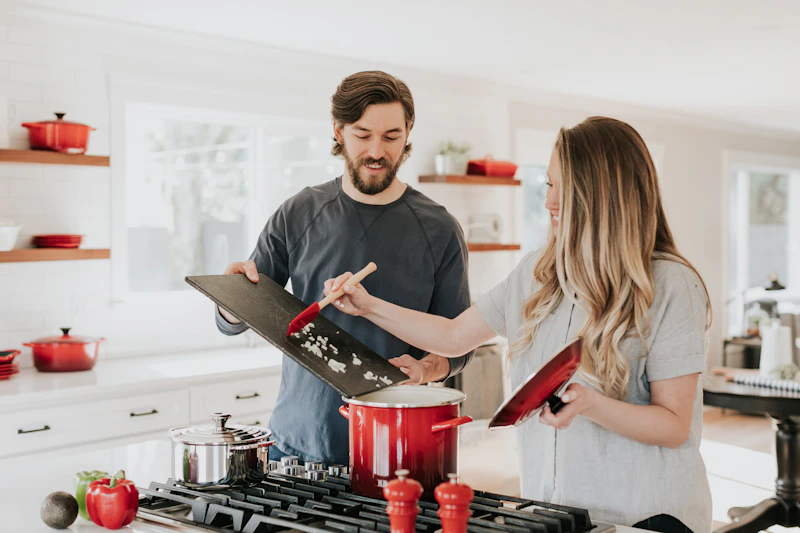
If you walk into a Chinese home on Lunar New Year's Eve, you'll almost certainly find the entire family gathered around a table, rolling dough and folding dumplings. It's one of the most iconic images of Chinese culture — and it's not just about eating.
Dumplings (饺子, jiǎo zi) are a centerpiece of the most important meal of the year for hundreds of millions of people. But why dumplings specifically? And why during New Year?
The Symbolism Hidden in Every Fold
The word for dumpling, jiǎo zi (饺子), sounds similar to jiāo zǐ (交子), which means "the transition from the old year to the new." The character jiǎo (饺) itself shares a component with jiǎo (交), meaning "exchange" or "cross over."
More importantly, dumplings are shaped like ancient Chinese gold ingots (元宝, yuán bǎo). Eating them during New Year is symbolically "eating wealth." The more dumplings you eat, the more prosperity you invite for the year ahead.
Some families go further: they hide a coin inside one dumpling. Whoever finds it is supposed to have an extra-lucky year. (Children are warned to chew carefully.)
The Family Assembly Line
Making dumplings is intentionally labor-intensive. You need to:
1. Make the dough from scratch
2. Prepare the filling (usually pork + cabbage, though regional variations abound)
3. Roll out dozens of individual wrappers
4. Fill and fold each one by hand
5. Boil or pan-fry them in batches
This is exactly the point. The process takes hours, and it requires everyone to participate. Grandparents teach grandchildren how to fold. Parents catch up while chopping. The kitchen becomes the social center of the house.
In a culture that deeply values family togetherness, dumpling-making is the bonding activity. You can't rush it, and you can't do it alone.
Regional Variations Tell a Story
Northern China is dumpling country. Wheat grows better than rice in the cold northern plains, so wheat-based foods — dumplings, noodles, steamed buns — dominate. Southern China, with its warmer climate and rice paddies, historically made fewer dumplings and more rice cakes (年糕, nián gāo) for New Year.
This north-south divide runs through much of Chinese food culture. But migration and modernization have blurred the lines. Today, dumplings are eaten everywhere during New Year, even in rice-centric regions.
Different regions have different styles too:
- Northern style: Thick, chewy wrappers, simple pork-and-cabbage filling, boiled
- Shanghai style: Thinner wrappers, often with soup inside (小笼包, xiǎo lóng bāo)
- Cantonese style: Steamed with translucent wrappers, shrimp-based fillings
- Sichuan style: Spicy dipping sauce with Sichuan peppercorns
Beyond New Year
Dumplings aren't just a holiday food. They're a whenever-family-gathers food. Chinese families make dumplings for:
- Winter Solstice (冬至, dōng zhì): Eating dumplings is believed to protect your ears from frostbite (don't ask)
- Weddings: Dumplings symbolize the newlyweds "crossing over" into married life
- Sending off a family member: A dumpling meal before someone travels is common
- Just because it's Sunday: Many families maintain a weekly dumpling ritual
The Bottom Line
Dumplings during Chinese New Year are about more than food. They're a ritual: the shape promises wealth, the preparation bonds the family, and eating them together affirms belonging. If you're ever invited to a Chinese family's dumpling-making session, say yes. You're being invited into something far more meaningful than dinner.
The best dumpling you'll ever eat? The one your partner's grandmother hands you and watches you eat with anticipation. There's no declining seconds.